Updated on Nov, 06 2025 01:11 IST
Study in Switzerland





Test Preparations
About Us
Knowledge Hub

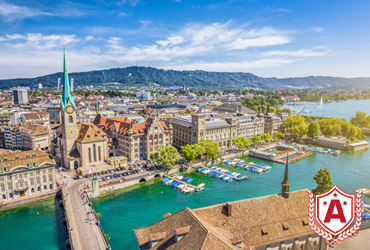 When you think about studying abroad, then there is nothing better than Switzerland if you are looking for quality education along with a peaceful lifestyle. The universities here mainly focus on practical education systems. Along with your studies, you can also get exposure through internships and project work so that you can gain the experience of the real world environment. When it comes to languages, bachelor’s programs are majorly available in German or French. At the same time, master’s programs are also offered in English. This makes it easier for Indian students to choose a course according to their comfort. Another important point is career opportunities. Switzerland has a strong economy and many global companies. After completing your course, you can explore different fields depending on your background. For example, you can move into areas like technology, business, finance, hospitality or even research based roles. Overall, studying in Switzerland gives you a complete experience. You get quality education, practical exposure, global opportunities and a comfortable lifestyle. If you are planning to go abroad, Switzerland can be a very good option for you.
Here are some facts and figures that can help you understand the country better:
Switzerland is a part of the Schengen region, so you can travel to other nearby European countries easily during your journey.
The country is known for its strong and stable economy. It consistently ranks among the top countries when it comes to income and quality of life.
Switzerland is considered one of the safest countries in the world. This makes it a comfortable place for international students.
It attracts students from all over the world, so you will find a diverse environment in the universities.
There are multiple types of universities available such as public universities, private universities and universities of applied sciences.
International students are also allowed to work part time during their studies. You can usually work up to 15 hours per week during your semester.
The average cost of living in Switzerland can range between CHF 1,500 to CHF 2,500 per month. It also depends on the city and your lifestyle.
Health insurance is compulsory for all international students, so you need to arrange it once you reach Switzerland.
There are also scholarship options available through the government and universities. These can help you reduce your tuition fees.
If you are planning to study abroad and looking for the right place then here are some top reasons why Switzerland is a best choice for you:
Schengen country: Switzerland is connected to the Schengen region, which means you can get the freedom to travel to nearby European countries.
High quality education: Swiss University mainly focuses on practical education along with academic learning. This can let you get real world exposure.
Globally recognised universities: Switzerland has some very well-known universities that are recognised worldwide. This means your degree can hold value in different countries which can help you in the long run.
English language courses: If you are worried about language, then Swiss universities also support English language courses. You just need to show your proficiency through tests like IELTS or TOEFL.
Affordable education: Compared to other countries, public universities in Switzerland have quite reasonable tuition fees. This means you can get quality education without putting too much pressure on your budget.
Career opportunities: Switzerland has a stable and strong economy. This means you can find good career opportunities after your studies in fields like technology, finance, healthcare and more.
Safe environment: Safety is one of the biggest advantages here. Switzerland is known for being very safe and well organised, which makes it comfortable for international students.
Switzerland offers a wide range of programs, so you can easily find your interest. Here are some of the popular courses and programs that you can consider:
Swiss universities always follow a structured system. The exact duration depends on the course and level you choose, so it is always good to have a clear idea before you apply. Here is a simple breakdown to help you understand:
| Degree level | Course Duration (Full Time) |
| Bachelor’s Degree | 3 to 4 years (around 6 to 8 semesters) |
| Master’s Degree | 1.5 to 2 years (around 3 to 4 semesters) |
| Diploma Programs | 3 to 5 years depending on the course. |
The eligibility criteria to study in Switzerland can be different depending on the course, university and level you choose. Some universities may have slightly different requirements, so you should always check the official website carefully:
Eligibility Criteria to Study Bachelor’s in Switzerland
Academic
You should complete your 10+2 from a recognised board.
Your required subjects will depend on the course you choose. For example, if you are planning for engineering or science related courses, subjects like Mathematics, Physics or Chemistry can really help you.
Proof of Qualification
Some universities may ask you to show that your previous education makes you eligible to study a similar program in your home country as well.
Entrance Examinations
A few universities may conduct their own entrance test, especially for competitive courses or limited seat programs.
Language Proficiency: If your course is in English, you may need to show scores like:
IELTS: around 6.0 to 6.5
TOEFL iBT: around 80 to 90
If your program is in German or French, universities may ask for language proficiency in that language, usually around B2 or above.
Additional Requirement
Some universities may ask for a Statement of Purpose where you explain your interest and future plans.
In a few cases, universities may require recommendation letters.
Eligibility Criteria to Study Master’s in Switzerland
Academic
You should have a bachelor’s degree from a recognised university in a relevant field.
Your academic background should match the course you are planning to study.
Entrance Examinations
Some specialised programs may ask for an additional assessment or internal evaluation.
Language Proficiency: If your course is in English, universities usually expect scores like:
IELTS: around 6.5 to 7.0
TOEFL iBT: around 85 to 100
If the course is available in German, French or Italian, you may need to show the required language level as asked by the university.
Additional Requirement
Universities may ask for a Statement of Purpose, recommendation letters and an updated CV.
Some courses may also prefer internship or project experience, especially for technical or research based programs.
Switzerland is known for its strong economy and globally recognised education system. There are several universities that are popular for practical learning. To make it easier for you, here are some of the top public and private universities in that you can consider:
| Top Public Universities |
|---|
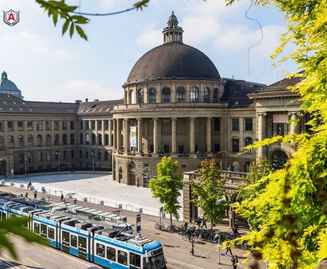
| Year of Establishment | 1855 |
| National Ranking | 1st |
| Location | Zurich |
| Popular Courses | Engineering, Computer Science, Data Science, Robotics, Natural Sciences |
| Fees | Around CHF 700 to 1,500 per year |
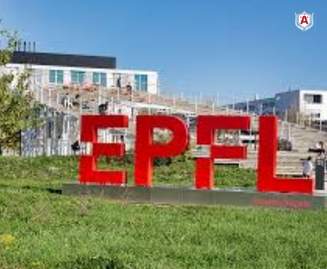
| Year of Establishment | 1969 |
| National Ranking | 2nd |
| Location | Lausanne |
| Popular Courses | Engineering, IT, Artificial Intelligence, Life Sciences |
| Fees | Around CHF 700 to 1,300 per year |
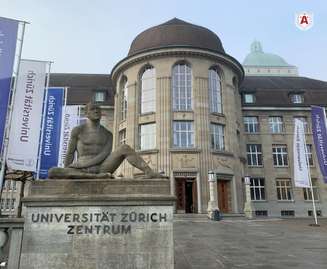
| Year of Establishment | 1833 |
| National Ranking | 3rd |
| Location | Zurich |
| Popular Courses | Business, Medicine, Law, Social Sciences, IT |
| Fees | Around CHF 1,500 to 2,000 per year |
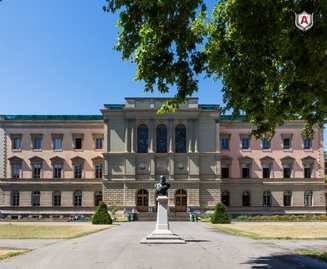
| Year of Establishment | 1559 |
| National Ranking | 4th |
| Location | Geneva |
| Popular Courses | International Relations, Law, Sciences, Business |
| Fees | Around CHF 500 to 1,000 per year |
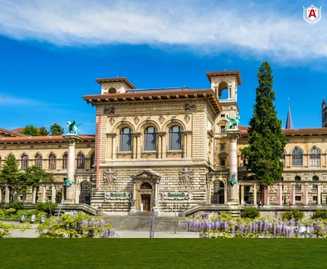
| Year of Establishment | 1537 |
| National Ranking | 5th |
| Location | Lausanne |
| Popular Courses | Business, Biology, Medicine, Environmental Sciences |
| Fees | Around CHF 580 to 1,000 per year |
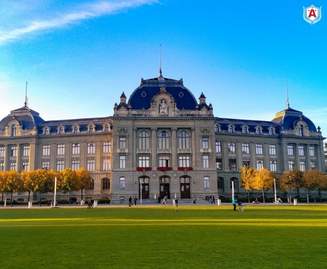
| Year of Establishment | 1834 |
| National Ranking | 6th |
| Location | Bern |
| Popular Courses | Medicine, Law, Economics, Natural Sciences |
| Fees | Around CHF 750 to 1,500 per year |
| Top Private Universities in Switzerland |
|---|
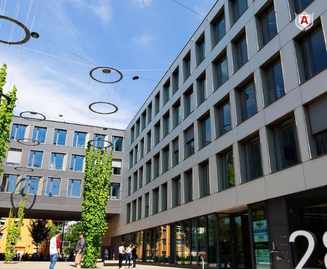
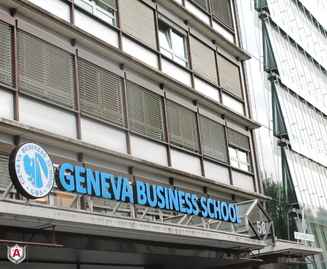
| Year of Establishment | 1973 |
| National Ranking | Among top private business schools |
| Location | Geneva / Montreux |
| Popular Courses | Business Management, Marketing, Finance, International Business |
| Fees | Around CHF 15,000 to 30,000 per year |
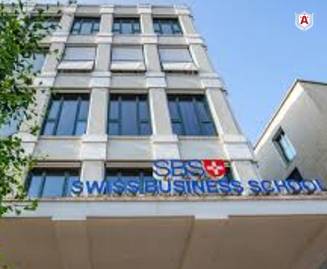
| Year of Establishment | 1995 |
| National Ranking | Recognised private institution |
| Location | Geneva |
| Popular Courses | Business Administration, Finance, International Management |
| Fees | Around CHF 500 to 1,000 per year |
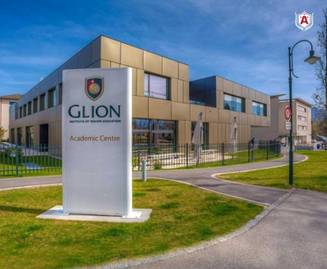
| Year of Establishment | 2012 |
| National Ranking | Private global business school |
| Location | Geneva |
| Popular Courses | Business, Entrepreneurship, Digital Marketing, Finance |
| Fees | Around CHF 7,000 to 15,000 per year |
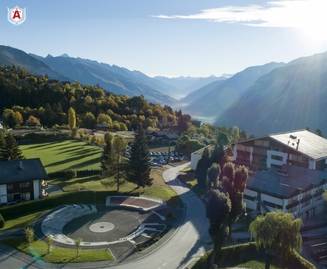
| Year of Establishment | 1962 |
| National Ranking | Top hospitality institute |
| Location | Montreux |
| Popular Courses | Hospitality Management, Luxury Brand Management, Event Management |
| Fees | Around CHF 25,000 to 40,000 per year |
| Year of Establishment | 1954 |
| National Ranking | Top ranked hospitality school |
| Location | Crans-Montana |
| Popular Courses | Hospitality Management, Tourism, Hotel Operations |
| Fees | Around CHF 30,000 to 45,000 per year |
The cost of studying in Switzerland can feel high at first, but public universities are actually quite affordable. The tuition fee mainly depends on the type of university and the course you choose. Public universities are supported by the government, so their fees are much lower compared to private universities. On the other hand, private universities usually charge more because of their specialised programs. Here is a simple idea of how the tuition fee structure looks for international students:
Public Universities
| University | Citizenship | Bachelor’s & Master’s Fees |
|---|---|---|
| ETH Zurich, University of Zurich, University of Bern | Non-EU/EEA | Around CHF 700 to CHF 1,500 per year |
| EPFL (Lausanne) | Non-EU/EEA | Around CHF 700 to CHF 1,300 per year |
| University of Geneva | Non-EU/EEA | Around CHF 500 to CHF 1,000 per year |
| University of Lausanne | Non-EU/EEA | Around CHF 580 to CHF 1,000 per year |
Note: The exact fee can change depending on the course and university, so it is always better to check the official website before applying. Along with tuition fees, you should also plan your living expenses like accommodation, food and transport so that you have a clear budget from the beginning.
Switzerland may already offer affordable education, especially in public universities, but you can still reduce your overall cost with the help of scholarships. Both the Swiss government and universities provide financial support options for international students, including Indian students. These scholarships are usually based on your academic performance or financial need. Here are some of the main scholarship options you can explore:
National Scholarships
Swiss Government Excellence Scholarship: This is one of the most well-known scholarships in Switzerland. It is mainly available for master’s, research and PhD level programs.
International Scholarships
Erasmus+ Program: This is a European Union program that allows students to study in different countries including Switzerland through exchange or joint programs.
University-specific Scholarships: Many universities in Switzerland also provide their own scholarships, especially for master’s students.
ETH Zurich Excellence Scholarship
EPFL Excellence Fellowships
University of Geneva Scholarships
Other Funding Options: Apart from these, you can also look for:
Private foundation scholarships that support international students
Need-based financial aid offered by some universities
External scholarships available for Indian students
Quick Tips
Always check the official university website under the “Scholarships” section before applying.
Try to apply early because most scholarships have limited seats.
Keep your academic scores strong as most scholarships are merit based.
You can also apply to multiple scholarships to increase your chances.
Scholarships are very competitive, so even a small missing document can affect your chances. Here is a complete checklist that will help you understand what all you may need:
Academic and Educational Documents:
For Bachelor’s: Class 10th and 12th marksheets from a recognised board and a school leaving or transfer certificate.
For Master’s: Bachelor’s degree certificate, Semester wise marksheets or transcripts, CV or resume, Internship certificates if you have any or Work experience letter.
Language Proficiency Documents:
IELTS scorecard
TOEFL iBT scorecard
Duolingo score (if accepted by the university)
Proof of German or French language proficiency if your course requires it.
Identity Documents:
Valid passport with proper validity
Birth certificate (in some cases)
Recent passport size photographs, usually 6 to 8 as per formats.
Financial Documents:
Proof of sufficient funds like bank statements
Sponsorship letter if someone is funding your education
Scholarship application proof or funding confirmation if available
Application Documents:
Filled application form for scholarship or university
Statement of Purpose where you explain your goals and interest.
Motivation letter.
Letters of recommendation from teachers or professors.
Health and Insurance Documents:
Valid health insurance
Medical fitness certificate if required by the university
Visa-specific Documents:
Student visa application form.
University admission or offer letter.
Scholarship confirmation letter if you received one.
Fee payment receipt
Proof of accommodation in Switzerland
Travel plan or flight booking
Travel insurance
Swiss universities do not provide guaranteed on campus housing, so you need to arrange your stay before you arrive. The good part is that there are multiple options available depending on your budget and comfort. Here are some of the most common options you can consider:
Student dormitories: Cost: CHF 400 to CHF 800 per month: Student dorms are usually the first choice for many international students. They are more budget friendly and also give you a chance to live with other students. Common areas like kitchen, bathroom and study space are shared. Some modern dorms also offer private rooms with attached facilities but the cost can be slightly higher.
Shared apartments: Cost: CHF 600 to CHF 1,000 per month: If you want your own privacy and social life, shared apartments can be a good option. You get your own room and share spaces like kitchen and bathroom with your flatmates. This option is quite popular among students because it helps you manage your cost while also living independently.
Private apartments: Cost: CHF 900 to CHF 1,500 or more per month: If you prefer full privacy and your budget allows, you can go for a private apartment. You get complete control over your space and lifestyle. This option is more expensive and you may need to arrange everything on your own like furniture, utilities and contracts.
The cost of studying mainly depends on the city you choose and the type of accommodation you select. For example, cities like Zurich and Geneva are a bit expensive, while places like Bern or Lausanne can be slightly more manageable. Here is a simple breakdown so you can plan your budget properly:
City wise average monthly cost:
Zurich: CHF 1,500 to CHF 2,500 per month
Geneva: CHF 1,400 to CHF 2,400 per month
Lausanne: CHF 1,200 to CHF 2,000 per month
Bern: CHF 1,100 to CHF 1,900 per month
Key expense heads:
Accommodation:
Student dormitory: CHF 400 to CHF 800 per month
Shared apartment: CHF 600 to CHF 1,000 per month
Private apartment: CHF 900 to CHF 1,500 or more per month
Food:
Groceries: CHF 250 to CHF 400 per month
University cafeteria: CHF 8 to CHF 12 per meal
Eating outside: CHF 15 to CHF 25 per meal
Transportation:
Student travel pass: CHF 100 to CHF 250 per month depending on the city
Local transport tickets are well connected and reliable.
Health insurance:
Basic student health insurance: CHF 100 to CHF 250 per month
It is compulsory for all international students
Other expenses:
Utilities and internet: CHF 100 to CHF 200 per month
This includes electricity, water, internet and basic services
Universities here follow a structured intake system, so if you need to apply as early as possible. If you delay, you may have to wait for the next intake, so it is always better to stay prepared in advance. Switzerland mainly offers two intakes in a year. One is the main intake and the other one is a limited intake offered by selected universities. International students usually have slightly earlier deadlines, so keeping a track of dates becomes very important.
Here is a simple overview to help you understand it clearly:
| University | Applicant Nationality | Main Intake (September Session) | Limited Intake (February Session) |
|---|---|---|---|
| Public Universities | Non-EU/EEA | April to June | October to November |
| Universities of Applied Sciences | Non-EU/EEA | April to June | October to November |
| Private Universities | Non-EU/EEA | May to July | November to January |
| Programs with Entrance Exams | Non-EU/EEA | February to March | September to October |
Switzerland has multiple official languages like German, French and Italian, so the requirement mainly depends on the university and the program you choose. If you are applying for a bachelor’s program, you may notice that many courses are offered in local languages. In that case, you need to show your proficiency in that specific language. For master’s programs, things become a bit easier because many universities offer courses in English. Here is how you can understand it properly:
To study a German, French or Italian taught program:
If your course is in a local language, you need to show your proficiency accordingly. Most universities expect:
German language: Level B2 to C1 is generally required.
French language: Level B2 is commonly accepted.
Italian language: Level B2 may be required in some universities
Accepted language tests may include:
Goethe Institute (for German)
TestDaF (for German)
DELF or DALF (for French)
CILS (for Italian)
To study an English taught program: If your course is in English, you need to show your English language proficiency. Most universities usually accept:
IELTS: around 6.0 to 7.0
TOEFL iBT: around 80 to 100
Duolingo: around 100 to 120
The type of visa or permit you need mainly depends on how long you are going to stay, so once your admission is confirmed, this becomes your next big step. Let’s break it down in a simple way so you can understand it clearly:
For a short stay (up to 6 months)
Short-Term Visa (Schengen Type D or Type C): If your course duration is less than 6 months, you will need a short stay visa. This is usually applicable for short courses, language programs or exchange programs.
For a long stay (more than 6 months)
Student Visa (National Visa D) + Residence Permit: If you are planning for a full degree like a bachelor’s or master’s, your stay will be longer than 6 months. In that case, you need to apply for a National Visa D first.
Visa Processing Fee
National Visa D: Around CHF 80 to 100
Residence Permit (Student): Around CHF 100 to 150
Administrative charges may also apply depending on the canton where you apply.
Visa Processing Time: The visa process may take around 6 to 12 weeks, so it is always better to apply as early as possible. Delays can happen if any document is missing, so make sure everything is complete before submission.
 Switzerland is one of those countries that is well organised when it comes to lifestyle and education. It is located in Central Europe and is surrounded by countries like Germany, France, Italy, Austria and Liechtenstein. It may not be very large in size, but it is known for its high quality of life and peaceful environment. At the same time, it is also home to some of the top universities and research centres in the world. This makes it a great place for students who want quality education and a comfortable lifestyle. Another interesting part about Switzerland is its mix of cultures. The country has multiple official languages and a diverse environment, so you will find people from different backgrounds studying here. This creates a welcoming space for international students. Here are some quick facts and details to help you understand Switzerland better:
| Continent | Europe |
| Capital | Bern |
| Largest City | Zurich |
| Native Languages | German, French and Italian |
| Currency | Swiss Franc (CHF) |
| Also known as | Swiss Confederation |
| Total Area | 41,290 km² |
| Population (Approx.) | Around 8.7 million |
| GDP (Approx.) Nominal | Around $900 billion |
| Calling Code | +41 |
| Time Difference from India | Around 4.5 hours behind India |
| Distance from India | Around 6,500 to 7,000 km |
| Exchange Rate with Indian Rupee | 1 CHF ≈ ?90 to ?95 |
| Dominant Religion | Christianity |
Are there any English language bachelor’s programs available in Switzerland?
Yes, you can find English language bachelor’s programs in Switzerland but they are mostly offered by private universities and some applied science institutions. In public universities, bachelor’s courses are usually available in German or French, so it is always better to check the course language before you apply.
Can I work part-time while studying in Switzerland?
Yes, you can work part-time as an international student. You are usually allowed to work around 15 hours per week during your semester. During semester breaks, you can work full-time. This can help you manage your daily expenses like food, travel and basic needs.
Do I need to show English language proficiency to study in Switzerland?
If your course is in English, then yes, you need to show your English language ability. You can submit scores like IELTS, TOEFL or Duolingo. The exact score requirement can change depending on the university, so it is always better to check it once before applying.
What is the average tuition fee in private universities in Switzerland?
Private universities in Switzerland usually have higher fees compared to public universities. On average, the fees can range between CHF 10,000 to CHF 45,000 per year depending on the course and university you choose.
Are scholarships available for international students in Switzerland?
Yes, there are scholarship options available. You can apply for Swiss Government scholarships, university-based scholarships and some external funding options. These are mostly based on your academic performance, so applying early can give you a better chance.
What are the visa requirements to study in Switzerland?
To study in Switzerland, you need to apply for a student visa. After reaching there, you also need to apply for a residence permit. You will need documents like your admission letter, passport, proof of funds, accommodation details and health insurance during the process.
Get free 1-on-1 counselling with our experts